
Forest Hills Presbyterian Church Worship Details
Forest Hills Presbyterian Church gathers to offer worship that is scripture-centered, musically rich, and welcoming to all ages. Services combine historic Reformed liturgy with contemporary elements so families, students from nearby colleges, and long-time residents feel invited to participate. Sunday worship emphasizes prayer, Scripture, and practical preaching that relates faith to daily life in Queens.
Worship Philosophy and Denominational Identity
Rooted in the Reformed tradition, worship here blends reverence and relevance. The congregation affirms historic creeds while encouraging questions and spiritual growth. Liturgy, preaching, and sacraments are shaped by Presbyterian polity and pastoral care. Emphasis is placed on biblical teaching, corporate prayer, and service to the Forest Hills neighborhood and wider Queens community.
Liturgy and Order of Service
Call to Worship and Opening Prayers
- Services typically begin with a responsive call to worship, an opening prayer that names communal needs, and congregational singing that establishes focus.
Scripture Readings and Sermon
- Two readings frame each message: an Old Testament or Psalm and a New Testament passage. Sermons range from expository treatments to topical sermons tied to seasonal themes. Preachers aim for clarity, application, and theological soundness.
Prayers of the People and Intercessions
- Prayers include structured intercessions for local ministries, global concerns, and personal needs. Opportunities exist for written prayer requests and silent reflection.
Communion and Sacramental Practice
- Communion is served monthly and on major holy days. The sacrament is open to baptized believers and is administered by elders and pastoral staff at the front of the sanctuary. Instructions are provided for first-time participants.
Worship Styles Offered
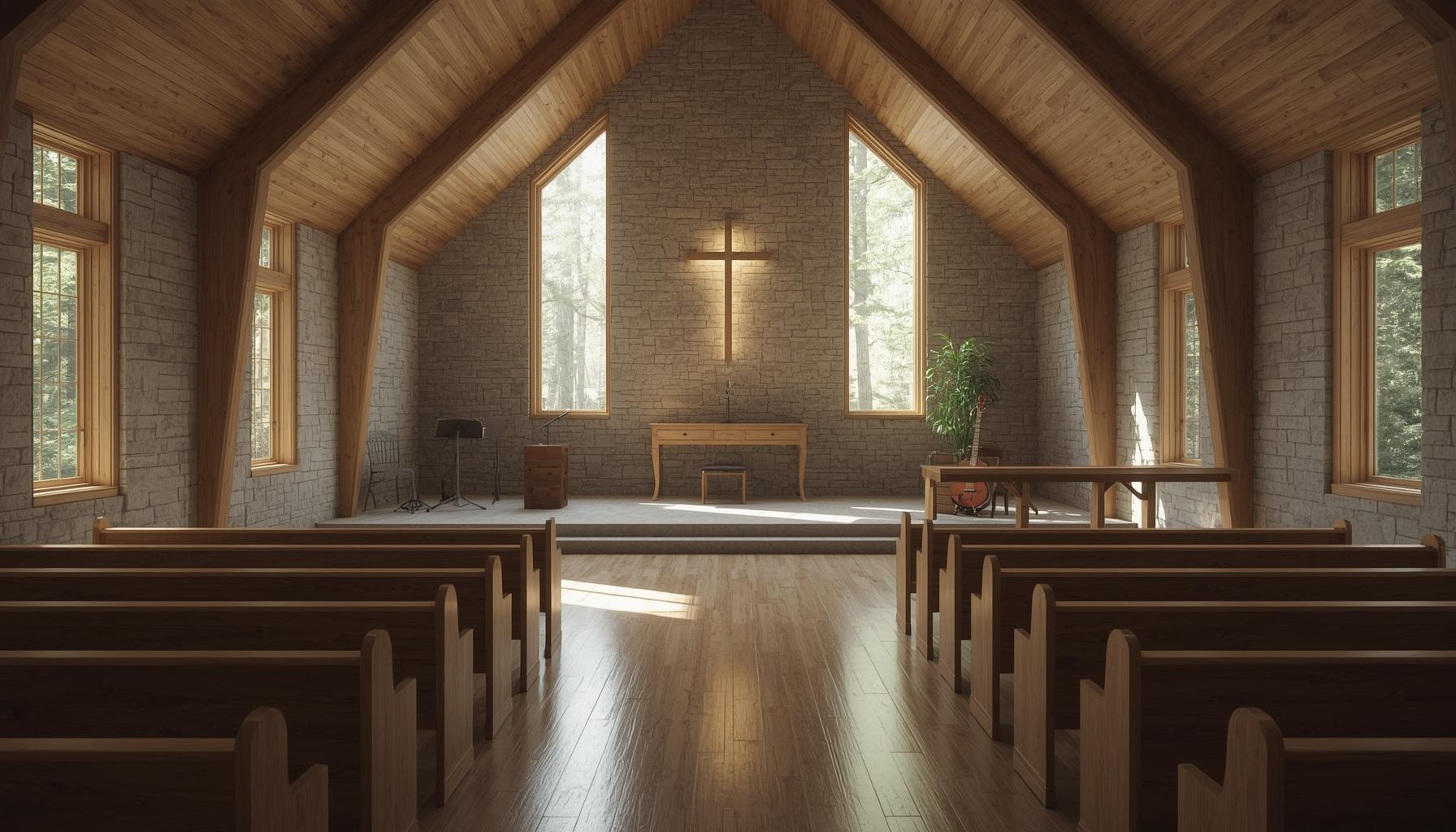
Traditional Worship Service
- Traditional services feature organ music, hymnody from the Trinity Hymnal and other respected hymnals, a choral anthem, and liturgical responses. The sanctuary setting is formal but welcoming.
Contemporary Modern Worship Service
- Contemporary gatherings highlight a praise band, contemporary worship songs, projected lyrics, and a relaxed seating arrangement. These services are designed to engage younger adults and families with active children.
Blended Family-Friendly Services
- Blended services integrate hymns and contemporary songs, shorter readings, and a time for family prayer. These are ideal for households with multiple age groups who prefer a unified worship hour.
Service Times and Locations
Worship takes place on the main campus in Forest Hills, Queens, with additional midweek opportunities. The congregation is within walking distance of the Forest Hills–71st Avenue transit hub on the E, F, M, and R lines. Below is the typical weekly schedule and location format.
| Service name | Typical time | Location on campus | Worship style |
|---|---|---|---|
| Early Service | 9:00 AM Sunday | Sanctuary | Traditional hymn-based worship |
| Main Service | 11:00 AM Sunday | Sanctuary & Overflow Hall | Blended family service |
| Contemporary Gathering | 6:00 PM Sunday | Fellowship Hall | Contemporary praise band |
| Midweek Prayer | 7:30 PM Wednesday | Chapel | Evening prayer and Bible reading |
After the 11:00 AM hour, coffee and fellowship occur in the fellowship area and campus ministry announcements are made. Special seasonal liturgies, such as Ash Wednesday, Holy Week, Christmas Eve, and an annual outdoor neighborhood service, are scheduled in the calendar and adapted for different worship styles.
Music and Worship Arts
Choir and Choral Traditions
- A volunteer adult choir rehearses weekly and leads anthems that complement the sermon text. Emphasis is placed on musical excellence and congregational singing.
Praise Band and Contemporary Music Teams
- A core band of musicians provides modern worship sets. Teams rotate to maintain healthy schedules and to train emerging leaders from youth and young adults.
Worship Planning and Music Selection
- A worship planning team, composed of pastoral staff, musicians, and lay leaders, meets monthly to choose hymns and songs that reflect lectionary readings and congregational needs.
Children’s and Family Worship
Children’s Church and Sunday School
- Children are invited to age-appropriate programs during the 11:00 AM hour. Curriculum aligns with the biblical text of the day and encourages family discussion at home.
Nursery and Infant Care
- Safe, staffed nursery care is available during all Sunday services and major events. Staff complete background checks and training.
Family Worship Resources and Activities
- Weekly take-home guides, seasonal activity packets, and occasional family worship workshops support parents who wish to worship together with children.
Youth Worship and Programs
Youth-Led Services and Devotionals
- Teen teams lead at least one youth-led evening service each quarter. These services prioritize authentic testimony, contemporary music, and peer-led prayer.
Confirmation and Faith Formation for Teens
- A structured confirmation pathway runs annually for 8th through 10th graders. Curriculum covers biblical foundations, Presbyterian polity, and personal faith commitments.
Opportunities for youth involvement include:
- weekly youth group meetings focused on discipleship and service
- mission trips and local outreach projects
Adult Education and Small Group Worship

Bible Studies and Discipleship Classes
- Young adult and adult electives run on weekday evenings and Sunday mornings. Topics rotate by season and include deep dives into biblical books and practical theology.
Prayer Groups and Devotional Meetings
- Neighborhood prayer circles meet in homes and on campus. Midweek devotional gatherings focus on scripture reading and communal prayer.
Accessibility and Inclusion
Physical Accessibility and Parking
- The campus includes an accessible entrance and reserved parking near the main entrance. Curbside drop-off is available for mobility needs.
Hearing Assistance and Visual Aids
- Assistive listening devices are available upon request. Large-print worship bulletins are produced for key services.
Multicultural and Multigenerational Worship Considerations
- Music selections and liturgical language are chosen to respect the congregation’s diversity. Multilingual welcome materials are provided when needed.
Visitor Information and What to Expect
Dress Code and Etiquette
- Attire ranges from casual to business casual. Respectful silence during readings and electronic device use are requested.
Greeting, Seating, and Hospitality Teams
- Greeters welcome newcomers at each entrance and hospitality teams offer guided seating and information about ministries.
First-Time Guest Follow-Up
- New visitors may register via a welcome card or a discreet kiosk. Follow-up includes an invitation to an orientation meeting and community events.
Volunteer Opportunities and Worship Teams
Ushering, Greeter, and Hospitality Roles
- Volunteers serve on rotating schedules. Training is provided for newcomers.
Technical and Production Teams
- Sound technicians and multimedia volunteers support live worship and recordings. Opportunities exist for training in mixing, lighting, and streaming.
Communion Servers and Lay Readers
- Elders and trained lay leaders assist with sacraments and Scripture readings on a rotating basis.
Pastoral Leadership and Online Services

Senior Pastor and Associate Pastors
- The pastoral staff leads preaching, pastoral care, and program oversight. Guest preachers are scheduled periodically to bring varied perspectives.
How to Access Services Remotely
- Services stream live on the congregation’s website and social channels. Digital giving options are integrated with online worship for remote participation.
Community Outreach and Special Rites
Worship-related mission projects include neighborhood meal ministries and seasonal drive campaigns. Baptisms, dedications, weddings, funerals, and memorial services are administered pastorally with pastoral staff coordinating logistics and liturgy.
Health and safety measures follow current local health guidance. Cleaning protocols and guidance for large gatherings are posted and updated as needed.
How to get involved: attend a newcomer orientation, join a small group, or contact the church office to register for volunteer training and upcoming events.